Nature Diary – May 2026
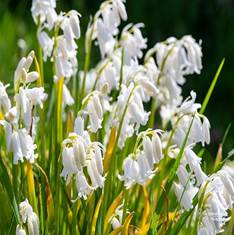
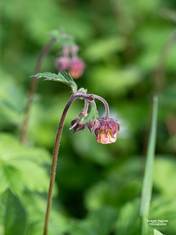
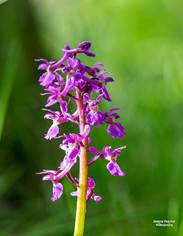
The images (thanks due to Andrew Fletcher) show a large clump of White Bluebells from next to Jubilee Cottage and Water Avens and Early Purple Orchid from Condenser Wood.
Though temperatures of up to 25 degrees are forecast for the Bank Holiday weekend (23 – 25 May), it has so far been a cool month. Night-time temperatures have been dropping to around 3 – 5 degrees, and there was a light frost overnight as late as 29 April. There was a sharp hailstorm on the 13th of this month. Continuing chilly nights and cool easterly winds in the daytime have had the effect of preserving blossom and bulbs for an extended spring and an unusually gradual leaf unfurling. The birdsong has been magnificent.
On 4 May, Andrew Fletcher wrote: ‘The orchids in the wood are now getting over grown with brambles so there aren’t so many showing now. The Ash dieback has had the same effect as coppicing and so the bluebells have done well this year. The Early Purple Orchids are among them and the wild apple is in full bloom as are the bird cherries with the Rowans coming out soon. Self heal and Water Avens are in abundance also. We had a Firecrest in the garden and the Tree Creeper is a regular visitor.’
Andrew’s point about ash die-back is very interesting. And the spread of brambles in the woods has been widely remarked, with some suggesting that the dense growth may interfere with owls’ hunting.
First sightings of Swallows 23 – 25 April. So far I have only seen one Swift, and it was overhead so briefly that I’m not even sure of that. Has anyone else seen swifts yet? Also, while our garden may be atypical, I have seen no spawn of any kind in our garden ponds. I have no idea what has happened there. Is anyone else seeing amphibians?
Cowslips early in the month on Moor Road and elsewhere (seeded clumps on motorway embankments impressive). In the week of 11th May Rowans came into flower. Blackbirds were seen feeding young in the week of the 18th May.
Insects including butterflies were active quite early, but the level of activity has not been sustained. Nevertheless, bees (mostly bumble but also some honey bees) have been enjoying broom and early garden flowers like aquilegia.
My attention has been drawn to the UK Pollinator Monitoring Scheme (POMS) and Flower-Insect timed count https://ukpoms.org.uk/ I shall have a go, and would encourage others to do so too. The fate of pollinators affects us all, and the more that is known about it, the better.