Nature Diary June 2026
Reminder: the annual Big Butterfly Count takes place between 17 July and 9 August - see https://bigbutterflycount.butterfly-conservation.org/
Following on the sudden heat at the end of May, this has (until the current heatwave) been a month of mixed weather, with generally cool nights and sporadic showers. Nestlings have been much in evidence, especially blackbirds and song thrushes. Wrens have been singing enthusiastically. Swallows and martins are active, though disappointingly few swifts. Bumblebees have been enjoying the foxgloves.
Fiona Crossley writes: ‘A new bee hotel recently opened in Preston-under-Scar and has quickly drawn the attention of female mason bees.
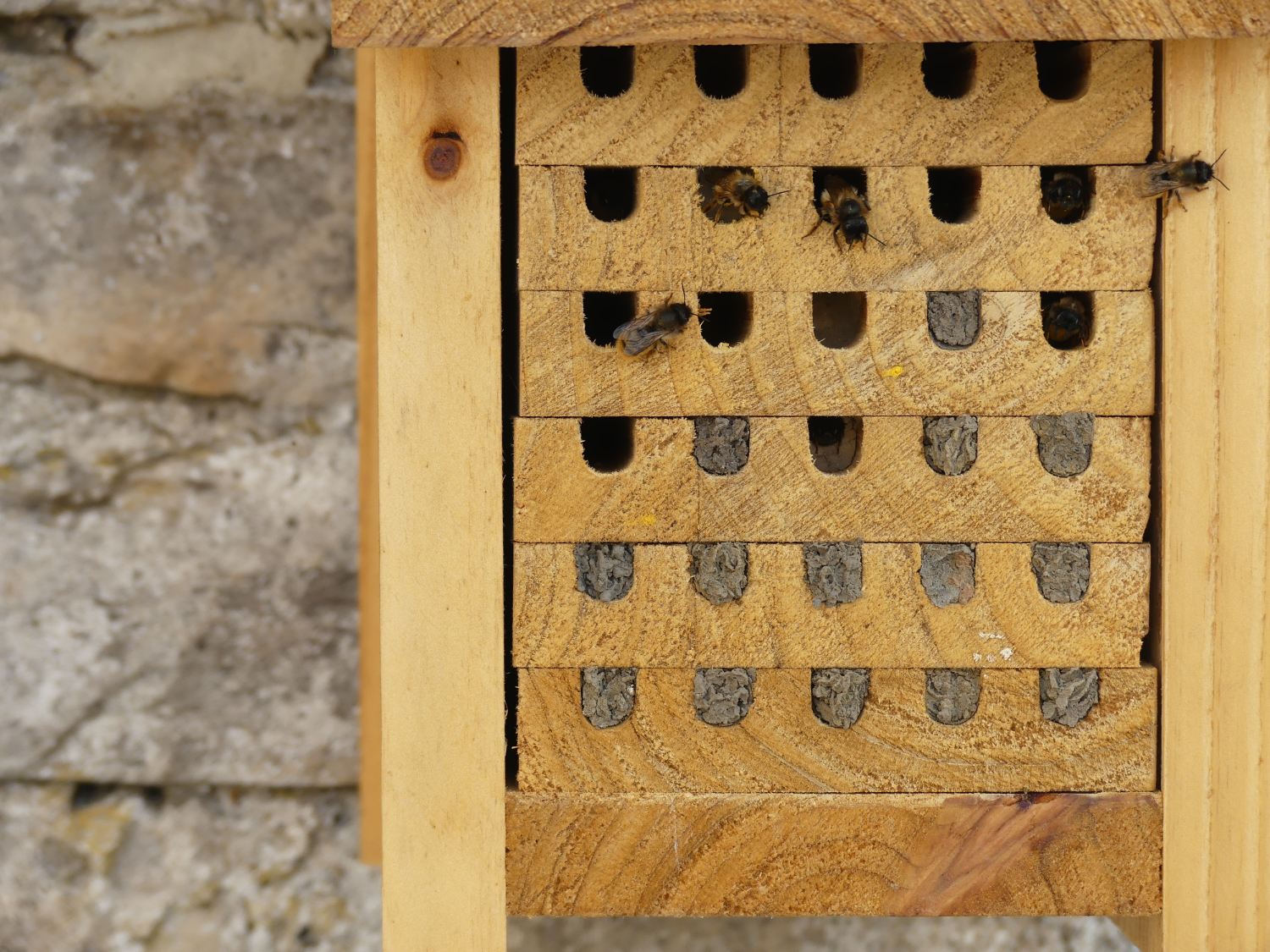
The bees are working very hard as they establish their nests. Watching them provisioning each chamber in the nest with nectar and pollen, before laying an egg, and then sealing it with mud before moving on to the next chamber is fascinating. Once the tube is full, they seal the end with a thicker wall of mud. Thank you to the bees. They are a delight to watch as I get on with my jobs in the garden.’ (31 May)
These notes have repeatedly referred to the Parish as a mosaic of different habitats. A fruitful focus of attention is therefore edges (the ecotone as some biologists say) where different habitats or plant communities meet and integrate. Such transition zones are apt to exhibit higher biodiversity than the ecosystems on either side. A tiny example would be the margin between gardens and paved highway on the raised pavement at the west end of the Village where a profusion of valerian, periwinkle, nettle and other plants attracts butterflies (peacock, tortoiseshell), bees, hoverflies, and humming-bird hawkmoth. A much larger example of such a diverse and fruitful zone (transitional in terms of space and time) is the disused quarry. The quarry attracts adaptable species that evolve to flourish in its unique conditions.
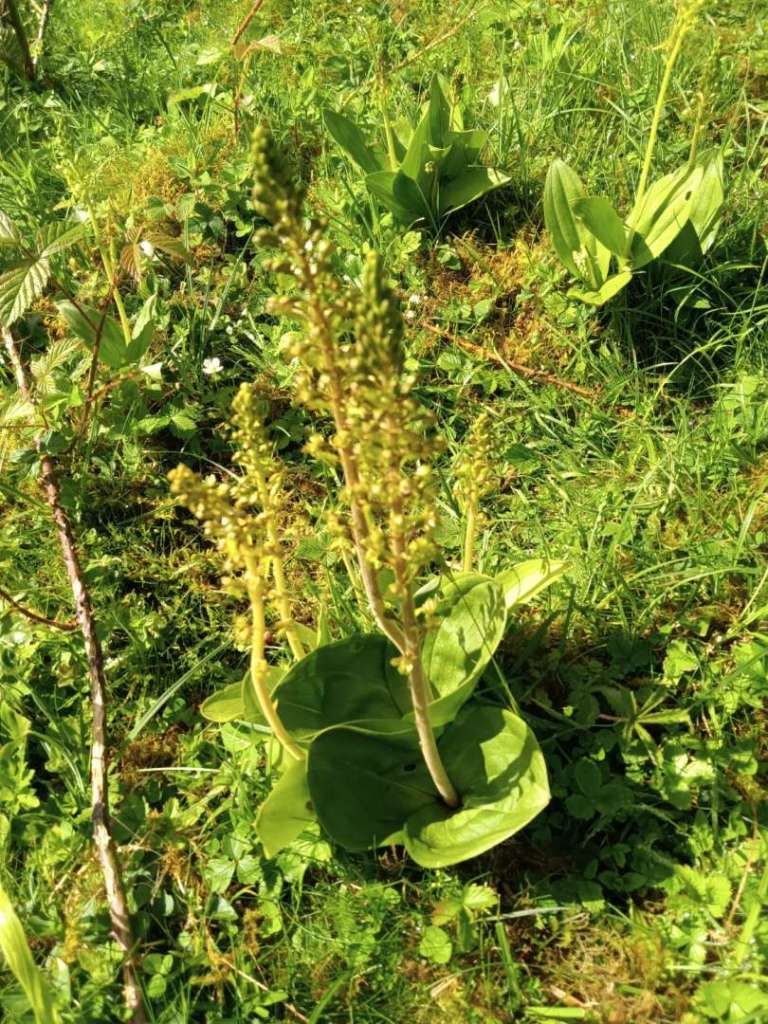
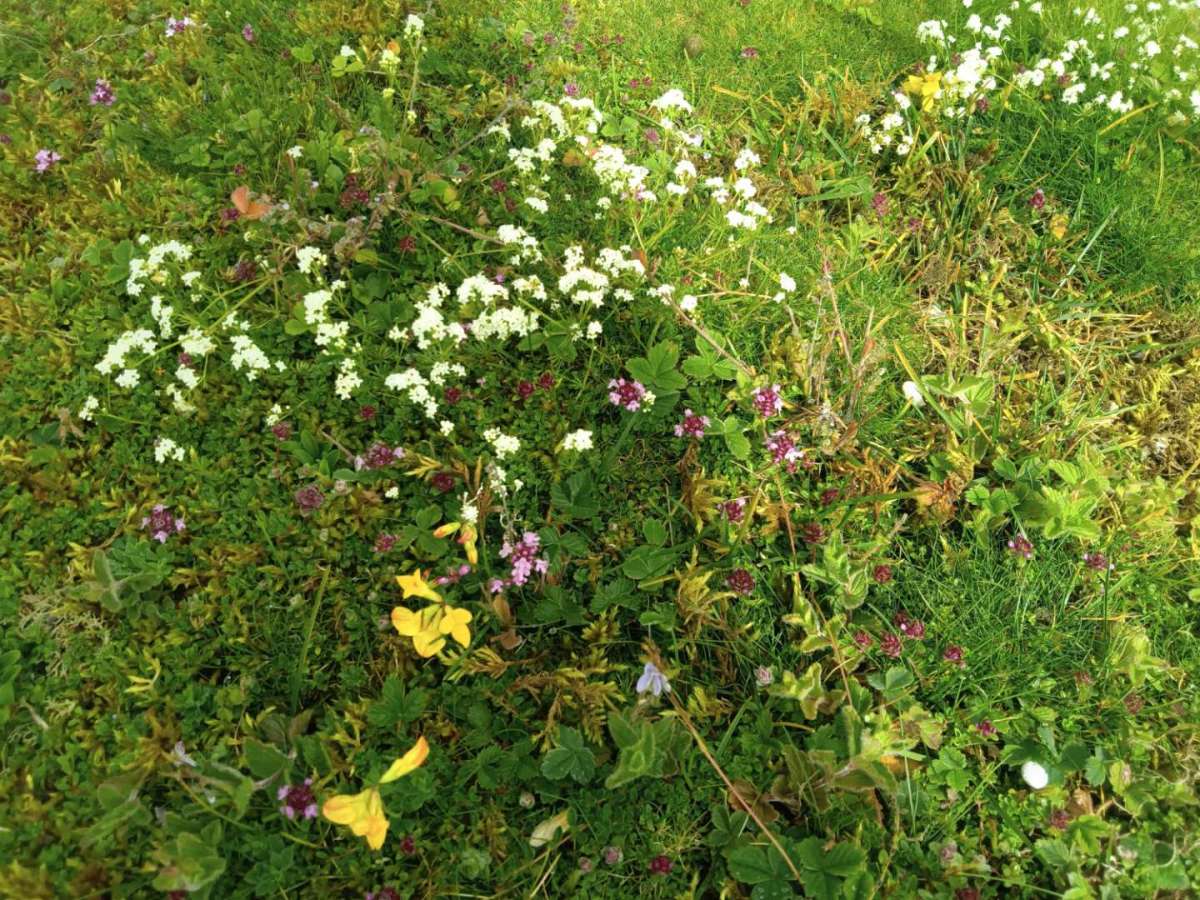
On 12 June Carol Fletcher writes of the old quarry: ‘There is a good display of twayblades this year. The limestone bedstraw and dovesfoot cranesbill are also good.
.jpg)
There was a lot going on up there this morning. I saw red kites. buzzards, a sparrowhawk, 4 oyster catchers. 2 pairs of lapwings and 2 roe deer ran through the quarry before disappearing into the woods.’
And on 14 June Andrew Fletcher agrees: ‘There are a large number of twayblades in the old quarry this year and they seem extra large and vigorous. Often overlooked as an English Orchid due to being green, they are often passed by.
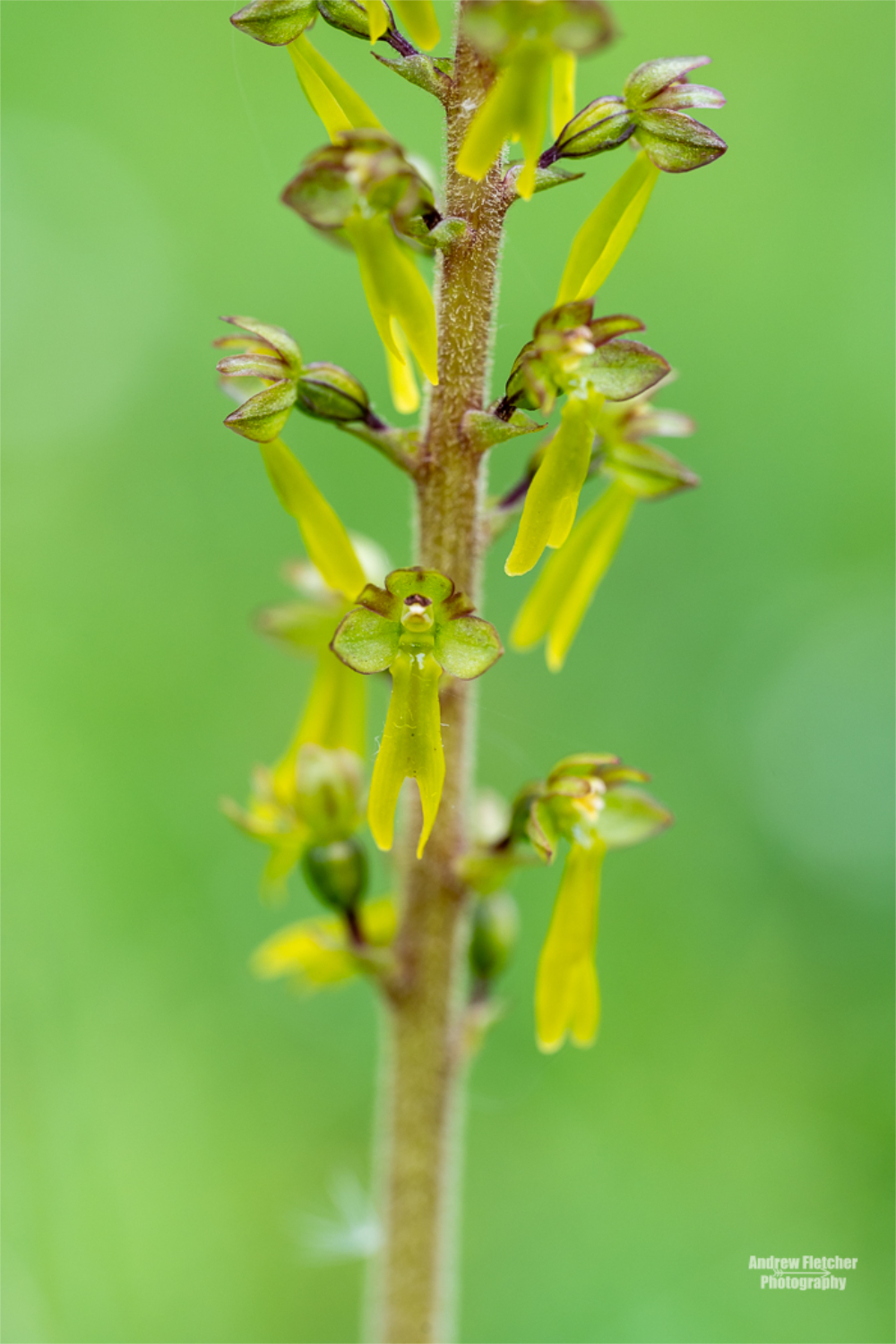
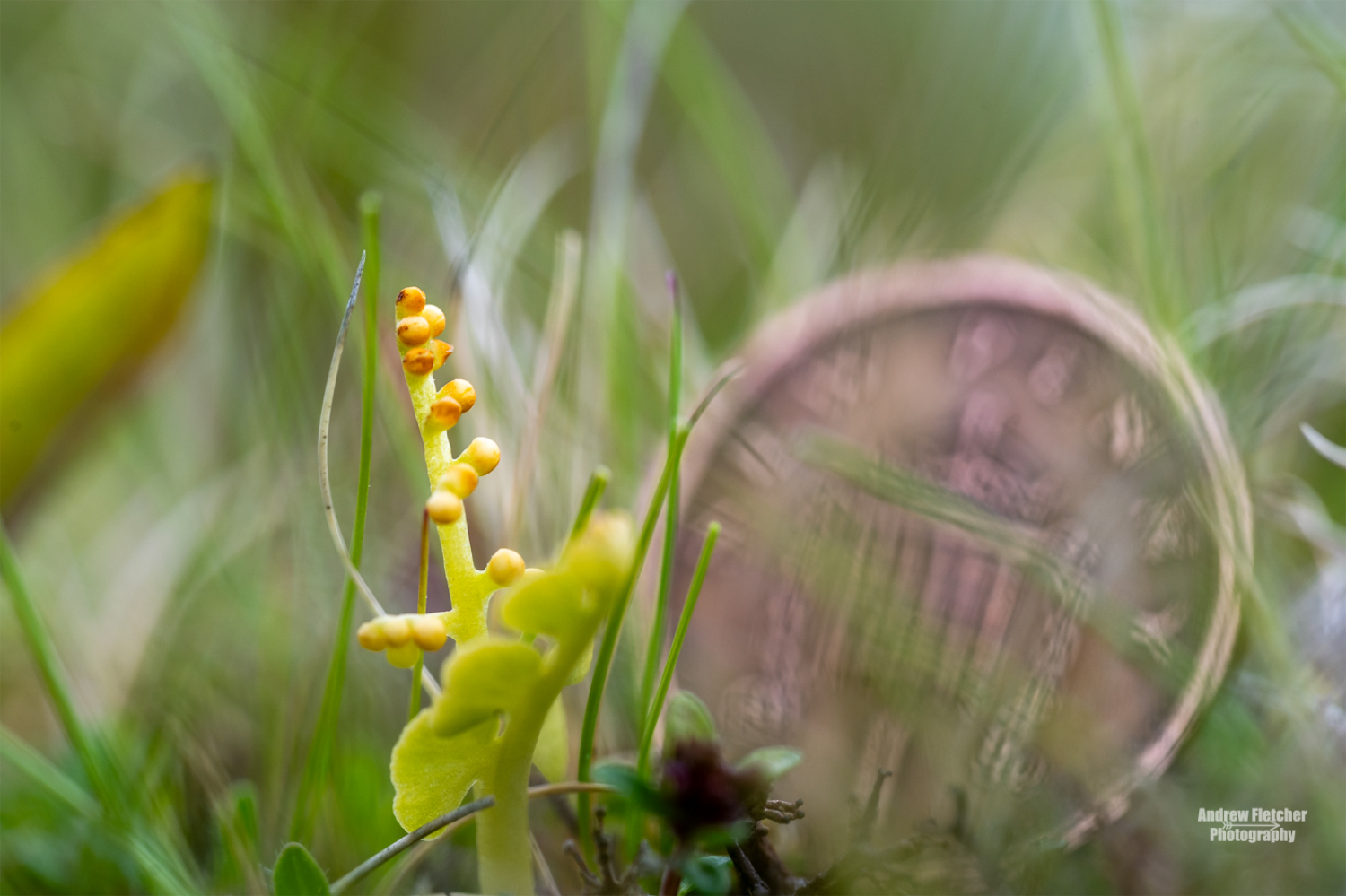
As is the Moonwort on Preston Moor . But these are much smaller, see the penny for scale.
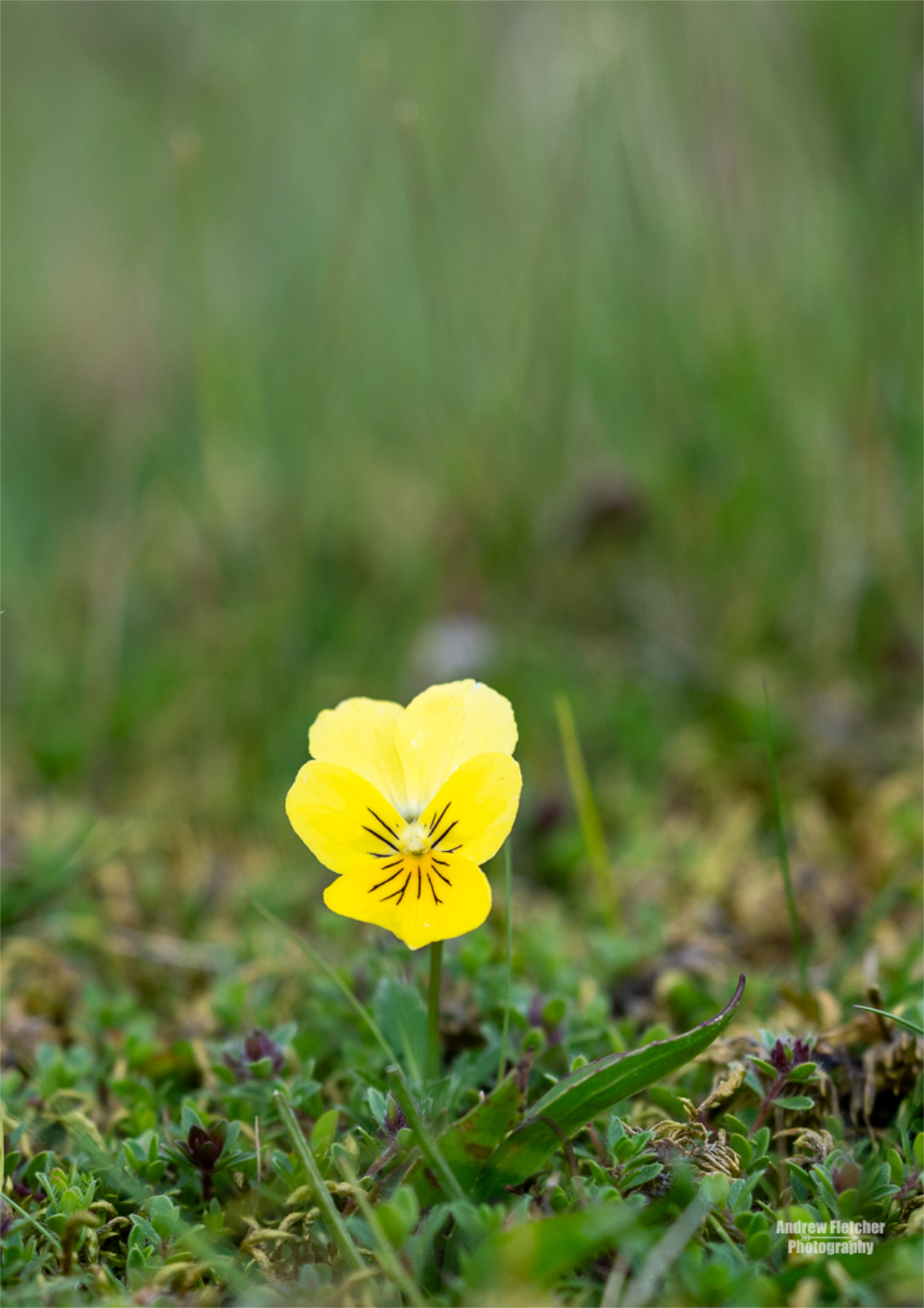
They grow near to the mountain pansies which were also good early in the month.
The Cuckoo was singing every time I went to the moor.’
A last word for now. As bit by bit the documents for the latest recension of the Tarmac application are released, we need to apply to their revised remediation scheme the insights arising from the observation of these in-between zones. How do Tarmac’s heavily curated proposals inter-weave with nature’s capacity (witnessed in the unstructured abundance of the old quarry) for regeneration and diversification?