Habitat awareness and the community
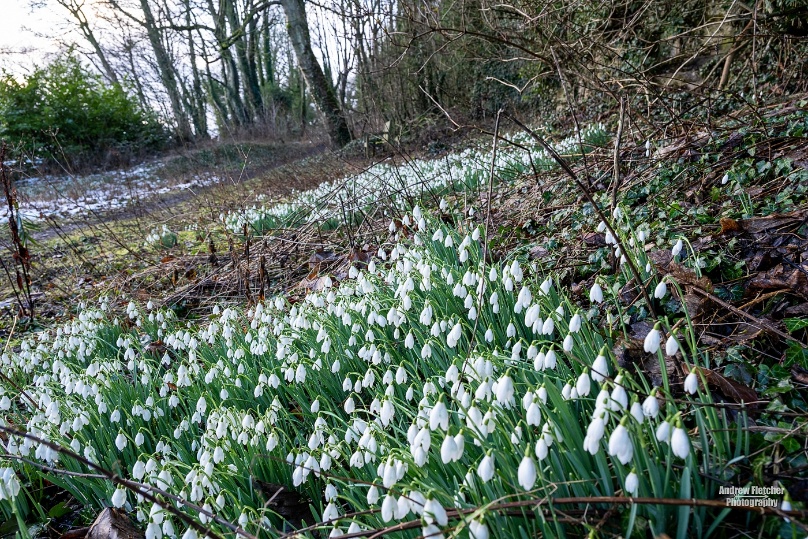
As we emerge from a very dry summer followed by a very wet winter, this bulletin is intended as the first in an irregular series reflecting on the natural and semi-natural worlds surrounding Preston-under-Scar. There’s an invitation here: if you like the idea, you might email me your observations – things that delight you, things that worry you, things that seem surprising – and I will attempt to weave them in. (Crediting contributors.) Together, we’d be carrying out a sort of horizon scan. What species are doing well? What species are rarely seen or perhaps under threat? We can, I think, afford to be quite subjective about our observations and perceptions. For now, anyway, there are other bodies which carry on the important work of systematic observation and recording – The Yoredale Natural History Society https://www.yoredalenaturalhistory.com/ is an obvious first port of call. And a huge if somewhat haphazard bulk of recorded material can be found in the Parish Profile generously created for us by the North and East Yorkshire Ecological Data Centre (linked from this website). Some of us also take part in forms of data collection organised by other agencies, like the RSPB annual garden birdwatch, or the Butterfly Conservation annual butterfly count - https://bigbutterflycount.butterfly-conservation.org/about .
So, more broadly, this represents a call to share our observations and thoughts about the health and condition of the mosaic of different habitats which compose the setting in which the human inhabitants of the village carry on their daily lives. And within those habitats, how we might ‘read’ the fortunes of our fellow species – plants, mosses, mammals, amphibians, birds, or insects. There’s a simple slide that goes from surprise to taken-for-granted. So, on a personal note, here are a few surprises encountered on first coming to the village thirteen years ago.
- The abundance of rabbits (even if some of them seem to be suffering from haemorrhagic diseases).
- Possibly connected: I’ve only seen one fox in the area, and that was between East Witton and Jervaulx.
- Nor have I seen a badger, apart from one dead on the Tank Road and another (improbably) by the railway line.
- The scale of the population of semi-wild pheasants.
- The delight of seeing large flocks of curlew (sometimes 50 or more) on the moors and fields adjacent to them.
- Having lived in Weardale, I was expecting to see adders on the moors. But the only reptiles I’ve seen round here were two slow worms which had made the fatal mistake of trying to cross Moor Road.
- The scarcity of squirrels – the occasional grey sighted between Tulliscote Farm and Condenser Wood. And, once a red, presumably on a scoping expedition from the Snaizeholme reserve.
After years of abundant toads and newts in and around our garden ponds, last year we only saw the occasional newt – was this a random variation or a trend? Finally (for now): we very rarely meet earthworms in our garden. Do other people get earthworms? If not, what has happened to them? They are said to be able to ingest and excrete lead without ill effects, so that can’t be it.